
Mortice deadlock
Key-only lock fitted inside the edge of a timber door. A BS3621 5-lever mortice deadlock is the common upgrade for external timber doors.
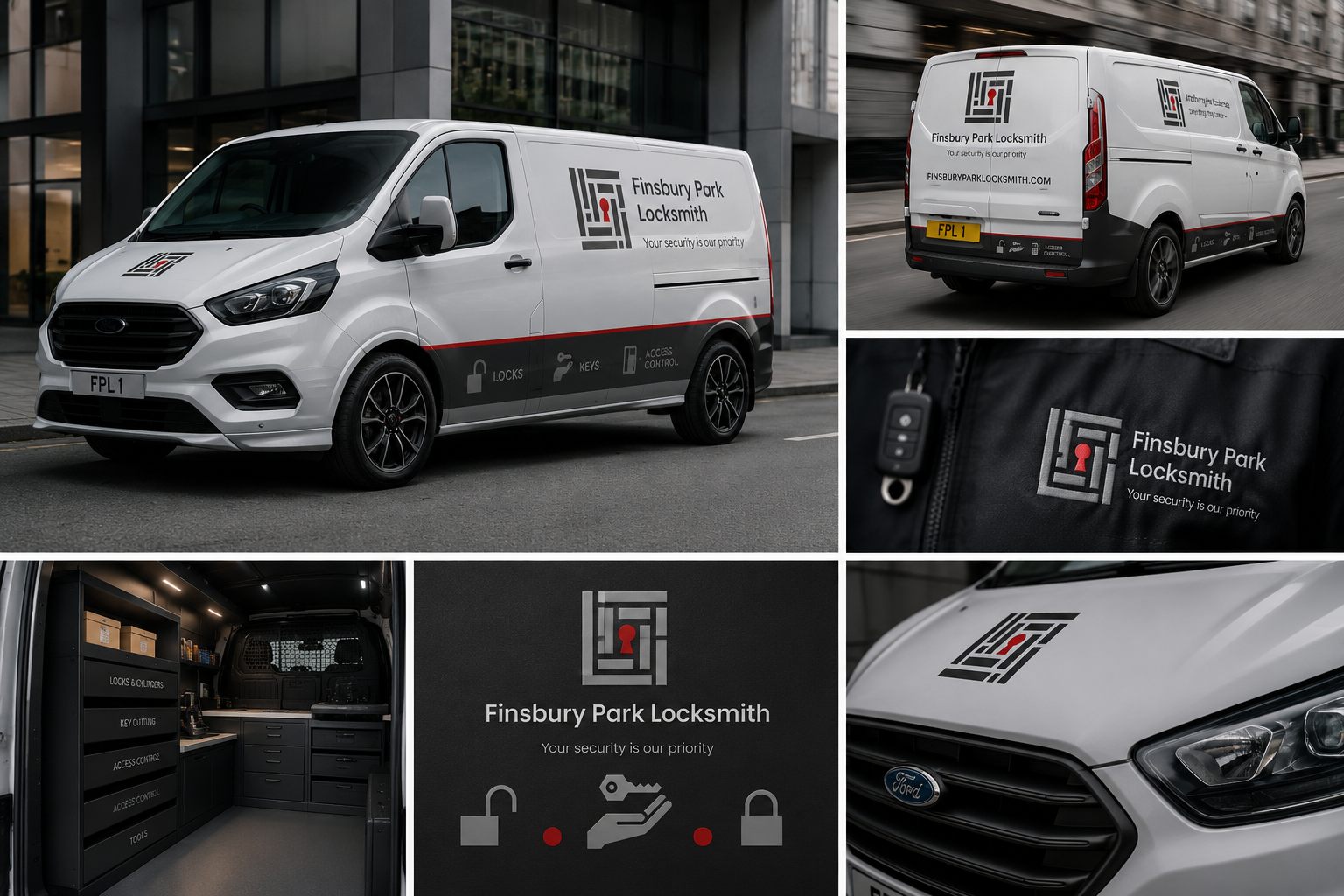
Deadlock installation in Finsbury Park N4
Need a deadlock fitted, upgraded, or checked for insurance wording? Get plain advice on BS3621 deadlocks, mortice locks, night latches, and door security across Finsbury Park and nearby North London.
Local lock upgrades
If your wooden front or back door only has a basic latch, old 3-lever lock, or damaged mortice lock, we can explain the sensible upgrade options before work starts.
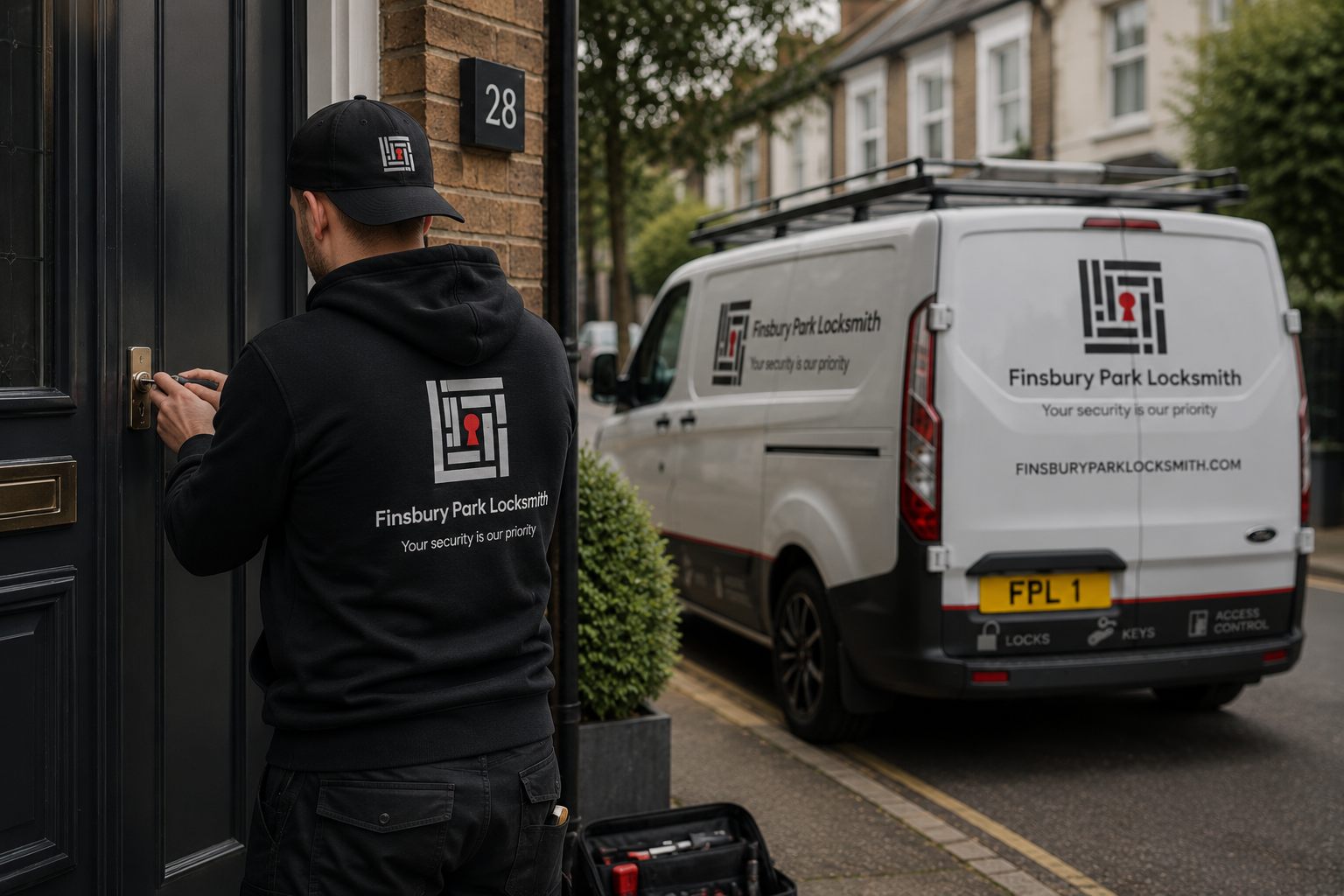
BS3621 deadlocks
A BS3621 5-lever mortice deadlock is one of the most common insurance-friendly locks for timber front and back doors in the UK.
Many insurers mention lock standards in burglary cover wording. That does not mean every policy is identical, so the safest route is to check your own policy and match the lock to the door.
On a timber exit door, the usual marker to look for is the BSI Kitemark and BS3621 on the faceplate. A lock can be 5-lever without being British Standard, so the marking matters.

Choose the right lock
The right option depends on your door, frame, existing lock, insurance wording, and how the door is used day to day.
Key-only lock fitted inside the edge of a timber door. A BS3621 5-lever mortice deadlock is the common upgrade for external timber doors.
Combines a latch for handles with a deadbolt for locking. Good when the door needs handles as well as key security.
Surface-mounted lock often fitted above a mortice lock. Convenient, but usually best paired with a mortice deadlock on timber front doors.
Uses a euro cylinder to throw the bolt. The cylinder rating matters, especially anti-snap protection on suitable doors.
Photos help
Photos help us understand whether you need a repair, replacement, or stronger lock upgrade before we attend.


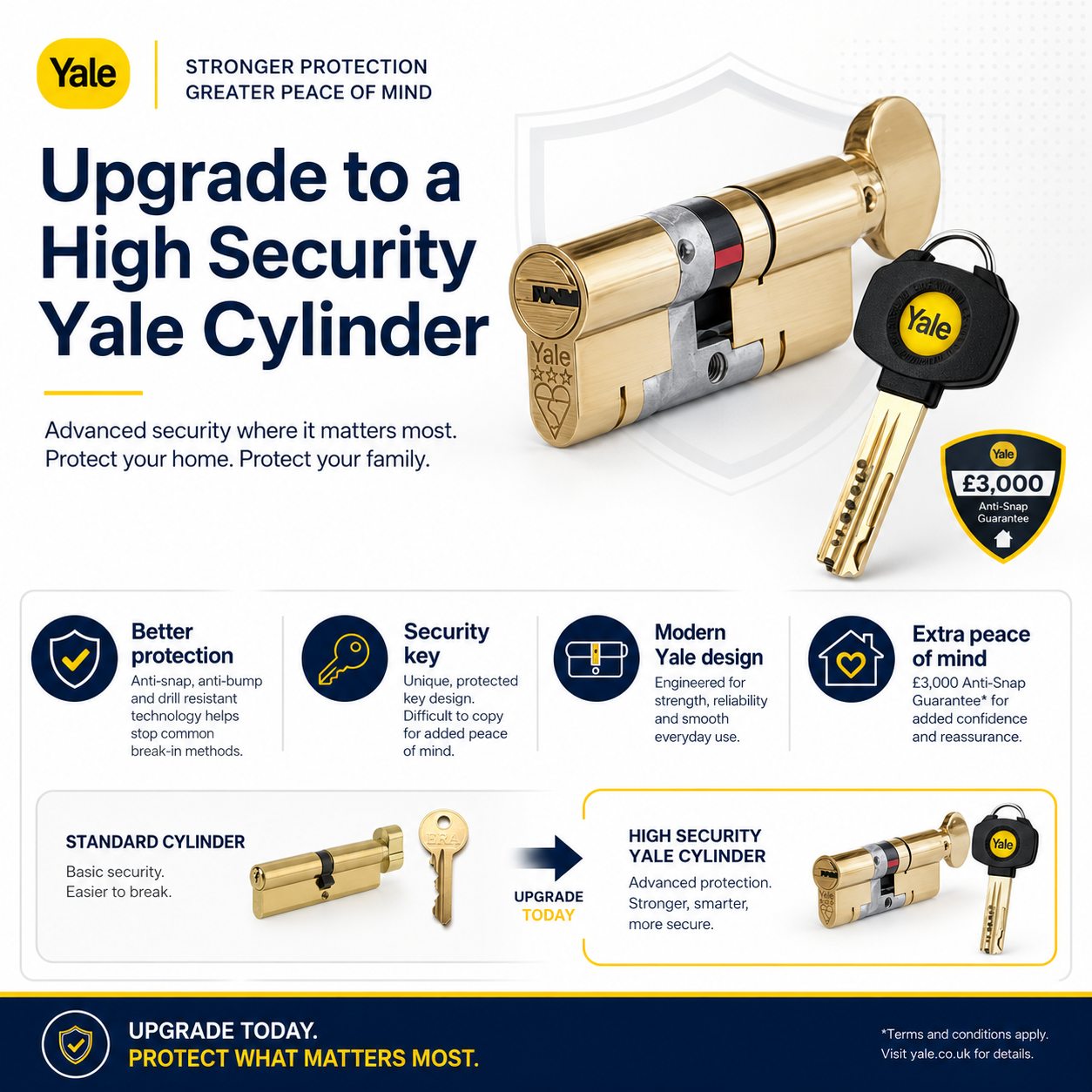
For the best advice, send the door edge, inside lock body, outside keyhole, and any damage or movement in the frame. Brand names are examples only; product names and marks belong to their owners.
Keep moving
Use these pages if your lock problem is urgent, linked to a move, or caused by damage.
Deadlock FAQs
A deadlock uses a solid bolt operated by a key. A night latch usually latches automatically when the door closes. A night latch is convenient, but a timber front door often needs a mortice deadlock as well for stronger security.
Many insurers ask for a BS3621 5-lever mortice deadlock on external timber doors. Policy wording varies, so always check your own policy before relying on any lock standard.
Yes, most suitable timber doors can be upgraded with a mortice deadlock. We check the door, frame, and existing lock position before recommending the right option.
BS3621 is a British Standard used for thief-resistant locks. A BS3621 5-lever mortice deadlock is a common insurance-friendly option for timber front and back doors.
Yes. We help with deadlock installation, BS3621 deadlock fitting, mortice deadlock upgrades, and lock changes in Finsbury Park, Manor House, Harringay, Stroud Green, and nearby North London areas.
Need a deadlock fitted or upgraded?
Emergency call-outs are available 24/7. For planned upgrades, send photos first and we will explain the sensible options before booking.